
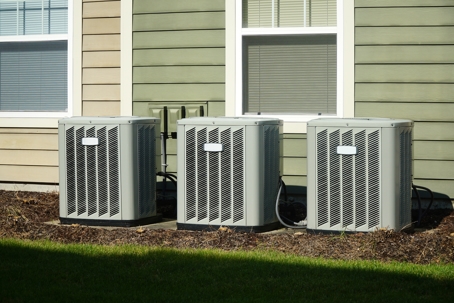
If you live in the Richmond area, your air conditioner probably feels like it runs nonstop during the summer, and you might be wondering how much longer it can hold on before a big, uncomfortable breakdown. An unexpected replacement can be a major hit to the budget, especially if it happens on the hottest day of the year. Knowing what really affects AC lifespan in our kind of climate can take a lot of the mystery out of it and help you plan ahead.
Many homeowners have heard that an AC should last 10 to 15 years, but that number does not tell the whole story. How long your system actually runs before you face constant repairs or poor comfort depends on how hard it has to work in Richmond’s heat and humidity, how it was installed, and how it is maintained. Some of these factors are baked in, but many are in your control day to day, which means you have more influence over AC lifespan than you might think.
Our team has decades of hands-on HVAC experience in homes with heavy cooling loads, and we see the same patterns over and over again. Systems that are sized and installed correctly, cared for regularly, and operated with a few smart habits tend to keep running comfortably longer than similar systems that are ignored. In this guide, we will share what we have learned about AC lifespan in a climate like Richmond’s and what you can do now to protect your system and your comfort.
How Long Does an AC Really Last in Richmond’s Climate?
Across the country, most central air conditioners and heat pumps are built with a general life expectancy of around 10 to 15 years. That range assumes proper installation, regular maintenance, and an average amount of runtime. In a cooler, drier climate where the AC runs only a few months a year, many systems reach the upper end of that range, and some go beyond it before major problems show up.
In a hot, humid area like the Richmond region, your AC faces a much tougher workload. Instead of cycling on for a few hours a day, it may run for long stretches from late spring into early fall. All those extra operating hours add up. Compressors, blower motors, and electrical components simply see more use, which is why systems in climates like this can age faster than their counterparts in milder regions, especially when maintenance is neglected.
There is also a difference between a system’s technical life and its practical life. A 17-year-old unit might still turn on and blow cold air, but if it breaks down every summer, leaves parts of the house muggy, and drives energy bills through the roof, most homeowners would not call that a healthy system. In our experience, ACs in climates similar to Richmond’s that are maintained regularly can often deliver comfortable, relatively trouble-free performance into the 12 to 15 year range, while neglected systems may start having serious issues as early as 8 to 10 years.
These are not guarantees, but they are consistent patterns we see when we compare homes that keep up with maintenance and smart operation to homes that do not. The good news is that many of the factors that push a system toward the shorter end of the range are things you can influence, even if you cannot change the weather. The rest of this guide focuses on the specific stresses your AC faces and the concrete steps that can help it last longer in Richmond’s climate.
Why Richmond Heat and Humidity Are Hard on Your AC
Richmond summers bring long stretches of warm, sticky weather. When high temperatures and humidity hang around for weeks, your air conditioner is doing more than dropping the air temperature a few degrees. It is fighting a continuous battle against both heat and moisture in your home’s air, and that combination is where a lot of extra wear comes from.
Every hour your AC runs, the compressor, blower motor, and fan are working. In a mild climate, a system might cycle on and off with long breaks in between, giving components time to cool and rest. Here, it is common for a unit to run far more hours per day during peak season. More runtime means more heat build-up in motors and electrical parts, more mechanical wear on bearings and contactors, and more chances for small issues to turn into big failures if no one catches them.
Humidity adds another layer. Your indoor coil does not just cool the air, it also condenses moisture out of it. That moisture runs down into a drain pan and through a condensate line to the outside. In a humid environment, your system can remove a lot of water every day. If that water is not draining well because of algae, debris, or a poorly pitched drain line, it can overflow, cause water damage, or trip safety switches that shut the system down. That is a common source of mid-season breakdowns in muggy weather.
The outdoor environment around your condenser plays a role too. Pollen, grass clippings, dust, and leaves collect on the outdoor coil and fins. In a place with a long growing season, these coils can get dirty faster than you might expect. Once that coil is coated, heat cannot move out of the refrigerant as easily. The system has to run at higher pressure and temperature to keep up, which puts significant extra strain on the compressor. Over time, that stress shortens its life and can turn an otherwise healthy older system into one that fails suddenly on a very hot day.
Everyday Habits That Quietly Shorten AC Lifespan
Climate is a big factor, but the way a system is used day in and day out makes a surprising difference, especially in a demanding environment. Some common thermostat and airflow habits seem harmless, but they quietly push your AC to work harder than it needs to, which adds up over years of use and can shave seasons off its reliable life.
Thermostat settings are a good example. Setting the temperature very low and frequently adjusting it up and down can lead to extra cycling. Every time the system starts, it draws more current and puts a jolt of stress on the compressor and blower. In homes where the thermostat is constantly being bumped several degrees at a time, we often see more “short cycling,” which is when the unit turns on and off in rapid succession instead of running steady, efficient cycles. Over time, that repeated starting and stopping is tougher on equipment than a gentler, more consistent schedule.
Room-by-room airflow choices matter too. Many homeowners close supply vents in rooms they do not use, thinking this will save energy. What happens instead is that static pressure in the ductwork rises because the air has fewer paths to move through. Higher pressure makes the blower motor work harder and can reduce the amount of air moving across the indoor coil. That reduced airflow can cause the coil to get too cold, ice up, and eventually lead to compressor strain or failure. It can also leave you with noisy vents and uneven temperatures that never seem to improve.
The fan setting on your thermostat plays a role in both comfort and wear. Leaving the fan set to “on” runs the blower continuously, even when the compressor is off. There are situations where that makes sense, but in a humid climate it can sometimes pull moisture back off the coil and send it into the house, making things feel clammy. Continuous fan operation also means the blower motor never rests, so the motor sees many more hours of use. For many homes, keeping the fan on “auto” is a better balance between comfort, humidity control, and component life, especially during long Richmond summers.
Maintenance Tasks That Add Years to Your AC’s Life
When we look at which systems in our region reach the higher end of the typical lifespan range, they almost always have one thing in common. They receive regular, thoughtful maintenance. Maintenance is not just a box to check, it directly affects how hard each component has to work, especially under Richmond-level heat and humidity.
There are several tasks homeowners can handle themselves that make a big difference. Keeping up with air filter changes is at the top of the list. In a home where the AC runs heavily for months, checking the filter monthly and replacing it as needed maintains good airflow. That means the blower motor does not have to fight against a clog, and the indoor coil sees the right amount of air to stay at a healthy temperature. Clearing leaves, grass, and debris from around the outdoor unit also helps the condenser coil shed heat more easily, so the compressor runs at lower stress throughout the season.
The condensate drain is another area where simple attention can prevent both nuisance shutdowns and long-term problems. In humid conditions, algae and sludge can build up inside the drain line. If you notice water around the indoor unit, or if you have had the drain clog in the past, it is worth asking a professional to clean it thoroughly and, in some cases, install a cleanout or safety switch so small blockages do not turn into major headaches. Keeping that line clear helps your system handle Richmond’s moisture without overflowing or shutting down.
Professional tune-ups go deeper. A thorough maintenance visit typically includes checking refrigerant pressures, cleaning indoor and outdoor coils, inspecting electrical connections and components, testing safety controls, and measuring temperature differences and airflow. Each of these steps targets a common failure path. For example, a low refrigerant charge can cause the compressor to overheat and fail early, while loose electrical connections can lead to intermittent shutdowns or damage to motors. Finding and correcting those issues early usually costs far less than dealing with a major breakdown in peak season.
At 1st Service Heating and Air, we build our tune-ups around preventing the problems we see most often in homes with aging systems. We check for those small warning signs that point to trouble a season or two down the road, then explain your options before a minor issue becomes an emergency. Our pricing is upfront, so you know the cost of the visit and any recommended repairs before we start work, and you can decide what fits your budget.
Signs Your AC Is Near the End of Its Lifespan
No one wants to replace an air conditioner before they have to, but waiting until it fails completely in the middle of a heat wave is just as stressful. Recognizing the signs that a system is nearing the end of its practical life helps you plan ahead, compare options calmly, and avoid throwing good money after bad on repeated repairs.
Frequent breakdowns are one of the clearest signals. If you find yourself calling for repairs every summer, especially for different components, it usually means more than just bad luck. Rising energy bills without any change in your habits can be another clue. As compressors and coils age, and as refrigerant circuits develop small leaks, systems often lose efficiency and have to run longer to deliver the same comfort, which shows up as a steady climb in your utility costs.
Comfort issues tell a story too. Rooms that never reach the right temperature, persistent humidity even when the system runs for hours, and new noises such as grinding, buzzing, or loud fan sounds are all worth paying attention to. Each of these symptoms points to specific parts of the system working under extra stress or failing altogether. In an older unit, those problems can be a sign that the whole system is simply worn out and that more repairs will only buy short-term relief.
When we evaluate an aging system, we look at its age, the cost and type of recent and needed repairs, its efficiency, and the homeowner’s comfort expectations. In some cases, a targeted repair makes sense and can buy several more years of service. In other situations, especially when a major component like the compressor fails on a 12 to 15 year old unit, putting that money into replacement is often the smarter long-term move. We always explain the options, along with upfront pricing, so you can decide what is best for your home and budget without pressure.
How We Help Richmond Homeowners Get the Most From Their AC
Richmond’s climate puts every air conditioner to the test, but that does not mean early failure is a given. With the right combination of smart usage habits, consistent maintenance, and solid installation, you can tip the odds in favor of a longer, more comfortable life for your system. Our goal is to give you clear information and real choices so you can protect your home and your budget instead of reacting to emergencies.
At 1st Service Heating and Air, we bring over 40 years of real-world HVAC experience to every visit. We handle routine tune-ups, honest repair evaluations, and careful system replacements with upfront pricing, so you always know what to expect before any work begins. We back our workmanship with a 2-year warranty and a 100% Satisfaction Guarantee, and our 24/7 emergency service means you are not on your own if your AC gives out on a sweltering night.
If you are not sure how much life your current system has left, or if you want to get your AC ready for another busy Richmond cooling season, we can inspect it, take care of overdue maintenance, and give you a straightforward assessment of your options. You can make a confident decision knowing you have all the facts and a trusted local team ready to help.
Call (859) 251-3913 to schedule your AC service or evaluation today.