
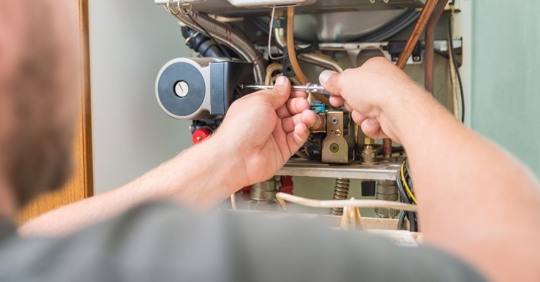
Furnaces are the backbone of home heating systems, designed to deliver consistent warmth throughout your living space. At the core is the blower motor, which circulates air through the heat exchanger, where it’s warmed before being distributed through the ducts. The thermostat acts as the command center, telling the furnace when to start and stop based on your temperature settings.
Each furnace type—gas, electric, or oil—operates a bit differentl:.
- Gas furnaces use natural gas or propane for quick, powerful heating.
- Electric furnaces rely on heated coils, ideal in areas with low electricity costs.
- Oil furnaces remain a dependable option where fuel oil is available.
No matter the type, all furnaces have built-in safety mechanisms to prevent overheating and ensure efficient performance, making them one of the most reliable components of any HVAC system.
Understanding Furnace Efficiency (AFUE Ratings)
A key factor in furnace performance is its AFUE (Annual Fuel Utilization Efficiency) rating, which measures how effectively the furnace converts energy into heat. A model with a 95% AFUE rating, for instance, converts 95% of its fuel into heat, wasting only 5%.
When comparing furnaces, consider both efficiency and fuel type. Gas and oil units generally offer higher AFUE ratings, while electric models may appeal to homeowners using renewable energy. Modern furnaces often include features like variable-speed blowers and two-stage burners, boosting efficiency and lowering utility costs.
Common Furnace Problems and Warning Signs
Even the best systems can run into trouble. Some of the most common furnace issues include:
- Irregular heating cycles caused by clogged filters or blower motor issues
- Unusual noises from loose or worn parts
- Thermostat malfunctions affecting temperature consistency
Warning signs like uneven heating or higher energy bills often indicate your furnace is overworking—possibly due to dirty filters, duct blockages, or a failing component. Addressing these early prevents bigger problems later.
Why Regular Maintenance Matters
Routine furnace maintenance is like a wellness check for your home’s heating system. By cleaning filters, adjusting thermostats, and inspecting key components, you help extend the life of your unit while maintaining top performance. Preventive maintenance reduces the risk of mid-season breakdowns and ensures steady comfort through the coldest months.
Boosting Efficiency Through Maintenance
A well-maintained furnace doesn’t just last longer—it runs smarter. Clean filters and lubricated components improve airflow and reduce strain on the system, leading to lower energy bills. Checking for leaks in ductwork or dirt buildup on the heat exchanger can also help eliminate wasted energy. Small adjustments during a tune-up make a noticeable difference in both comfort and efficiency.
Protecting Safety and Indoor Air Quality
Maintenance isn’t only about comfort—it’s about safety. Gas and oil furnaces can produce carbon monoxide if the heat exchanger cracks or combustion isn’t complete. Regular professional inspections ensure everything is sealed and running properly.
Clean filters and ducts also help reduce airborne dust and allergens, creating a healthier environment, especially for those with respiratory sensitivities.
Key Maintenance Steps
Basic tasks like filter replacement, duct cleaning, and thermostat calibration should be part of every homeowner’s routine. However, annual professional inspections go a step further—technicians can identify small issues that aren’t visible to the untrained eye and fine-tune the system for optimal performance.
DIY Maintenance Tips
Homeowners can play an active role in furnace care. Keep the area around the unit clear, listen for unusual sounds, and replace filters monthly during heavy use. Using tools like a programmable thermostat or vacuuming air vents helps maintain airflow and temperature consistency. Simple upkeep goes a long way in preventing costly repairs.
The Value of Professional Servicing
While DIY maintenance is helpful, professional servicing offers deeper insights and precision. HVAC specialists from 1st Service Heating and Air can test efficiency, clean critical components, and ensure your furnace meets safety standards. Their expertise also helps detect hidden problems early, saving you money in the long run.
Evaluating Service Contracts
A service contract can simplify furnace care by including annual inspections, discounts on repairs, and priority scheduling. While these plans involve an upfront cost, the long-term savings often outweigh the investment—especially by avoiding emergency repairs and boosting efficiency.
When to Schedule Maintenance
The best time for furnace maintenance is before heavy winter use—typically in early fall. Scheduling another check in the spring helps ensure the system is ready for off-season rest and transition. Consistent upkeep keeps your furnace dependable year-round.
When It’s Time for an Upgrade
Even with great maintenance, furnaces eventually wear out. If your system is over 15 years old or struggling to maintain consistent heat, it might be time to upgrade. Newer models offer advanced efficiency, better comfort control, and may qualify for energy rebates or tax incentives. Consulting 1st Service Heating and Air can help you choose a replacement that fits your home and budget.
Debunking Furnace Maintenance Myths
Myth: “New furnaces don’t need maintenance.”
Fact: Every system benefits from regular care. Skipping maintenance shortens lifespan and increases energy use.
Myth: “Running the furnace constantly keeps it efficient.”
Fact: Overuse actually strains components. Balanced, scheduled operation is best.
Routine tune-ups prevent small issues from snowballing into major repairs—no matter how new your system is.
Cost-Effective Ways to Maintain Your Furnace
You can save money on maintenance by scheduling service during the off-season when HVAC companies often offer discounts. Taking advantage of energy-efficiency rebates or financing options can also make system upgrades more affordable. Smart planning keeps your furnace efficient without straining your wallet.
Comfort and Peace of Mind Year-Round
Regular furnace maintenance isn’t just a checklist—it’s an investment in your comfort and safety. By keeping your system in peak condition, you’ll enjoy steady warmth, lower energy costs, and the reassurance that your home will stay cozy no matter how cold it gets.
For expert furnace services, trust our professionals at 1st Service Heating and Air. Our team is committed to keeping your furnace running safely and efficiently—season after season.
Call 1st Service Heating and Air now at (859) 251-3913 or reach out to us online.